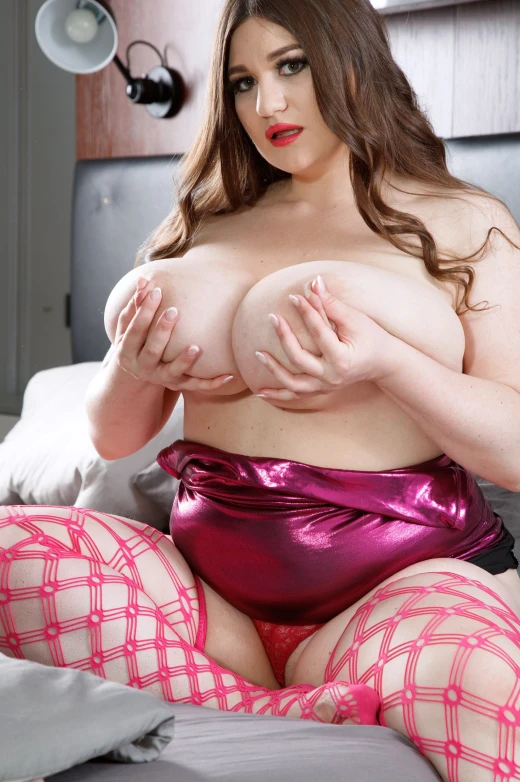
A dress can look perfect for the thirty seconds someone stands in front of a mirror and become completely wrong the moment she sits down. A belt disappears, a collar rides up, or the fabric makes a noise the microphone catches. For BBW pornstars who build an adult glamour set around a particular look, the fitting room is where a photograph begins. The most valuable question there is often surprisingly practical. What does the outfit need to do?
Start with the chair
Picture a performer planning a series of lounge portraits. She has found a velvet chair with curved wooden arms and a jacket with a magnificent sweep. On a hanger they look made for each other. In the chair, the jacket catches on the wood. Every time she stands, an assistant has to rearrange it. By the third take the picture looks stiff because everybody is waiting for the jacket. A stool brought into the fitting would have exposed the problem before the camera came out.
The choice of fix belongs to the person wearing the clothes and the people making the picture. The chair may be essential to the story. In that case, a softer jacket or a shorter hem might do the job. If the jacket is the whole reason for the portrait, change the furniture. Either solution is more interesting than asking the performer to spend an afternoon holding an uncomfortable position for the sake of an object.
Build a palette you can recognize
Costume can introduce a character before she speaks. Give the same woman a plum suit, pearl earrings, and an old hotel key, and you have the beginnings of a mystery. Put her in an electric blue jumpsuit beside a silver radio and an entirely different movie begins to play in your head. Neither look requires a speech about which colors plus-size women are supposed to wear. The useful question is which world the performer wants to invite us into.
A limited palette makes modest resources go further. Suppose the hotel series has just one jacket. A cream blouse and a folded map suggest a traveler arriving. A dark scarf and a handwritten envelope turn the same outfit into an evening departure. A fan who sees the photographs separately can still recognize the jacket as a thread between them. Repetition gives an item meaning that another shopping trip could never buy.
Check the photograph as well as the mirror
Some problems appear only after a test frame. A patterned lining might be delightful in person and almost invisible against a busy curtain. The polished buttons on a jacket might catch a hard light so strongly that they become the brightest points in the photograph. Pulling up one test image lets the performer and stylist decide together which details deserve to stay. A change in lamp position can save a favorite piece from an unnecessary alteration.
The same test can reveal an unexpected success. Perhaps the reflection from an earring makes a tiny second light on the wall, exactly where the character is looking. Keep it. A wardrobe plan should give the team enough direction to recognize a lucky accident. If a stylist spends the entire day making the picture resemble a sketch drawn before the fitting, some of the liveliest details will never reach the final edit.
Leave time for the person inside the costume
Every fitting needs an easy way for the performer to say that something pinches, scratches, or simply feels wrong for the character. Privacy, a place to sit, water, and enough time to change make that conversation ordinary. So does asking specific questions. “Can you raise both arms comfortably in that jacket?” invites a more informative answer than a hurried “Everything good?” while someone else is already opening the studio door.
When the session wraps, the wardrobe still has a story to tell. A photograph of the finished outfit, taken with permission, can preserve the position of a brooch or the way a scarf was folded. If the character returns, that reference saves everyone from guessing. A note about the chair is equally valuable. Continuity includes all the quiet decisions that allowed a performer to move easily and give the camera her attention.
A costume rail can keep those discoveries visible. Hang the working combinations together and tuck a written reminder into each pocket. Even a note as small as “scarf catches on earring” can save a rushed change later. The best record is one another person could understand while the original stylist is busy across the room.
Next time a glamour portrait holds your eye, give the clothes a second look. Follow a sleeve as it leads toward a face. Notice what the outfit allows the performer to do with her hands. Consider what you know about this invented woman before reading her name. Somewhere between the fitting room and the finished photograph, a collection of ordinary objects became a character someone might remember.


